
Arche 1a
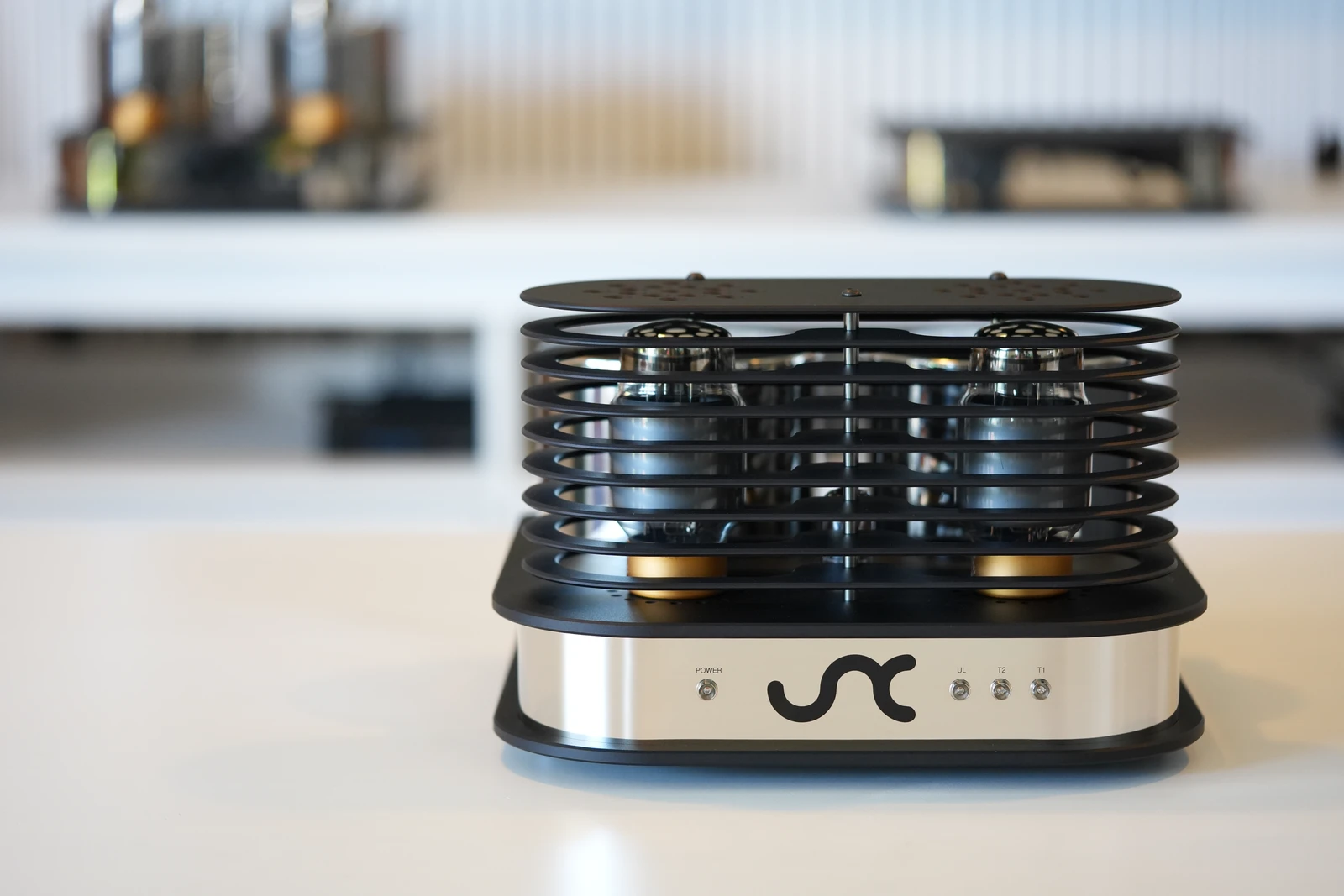
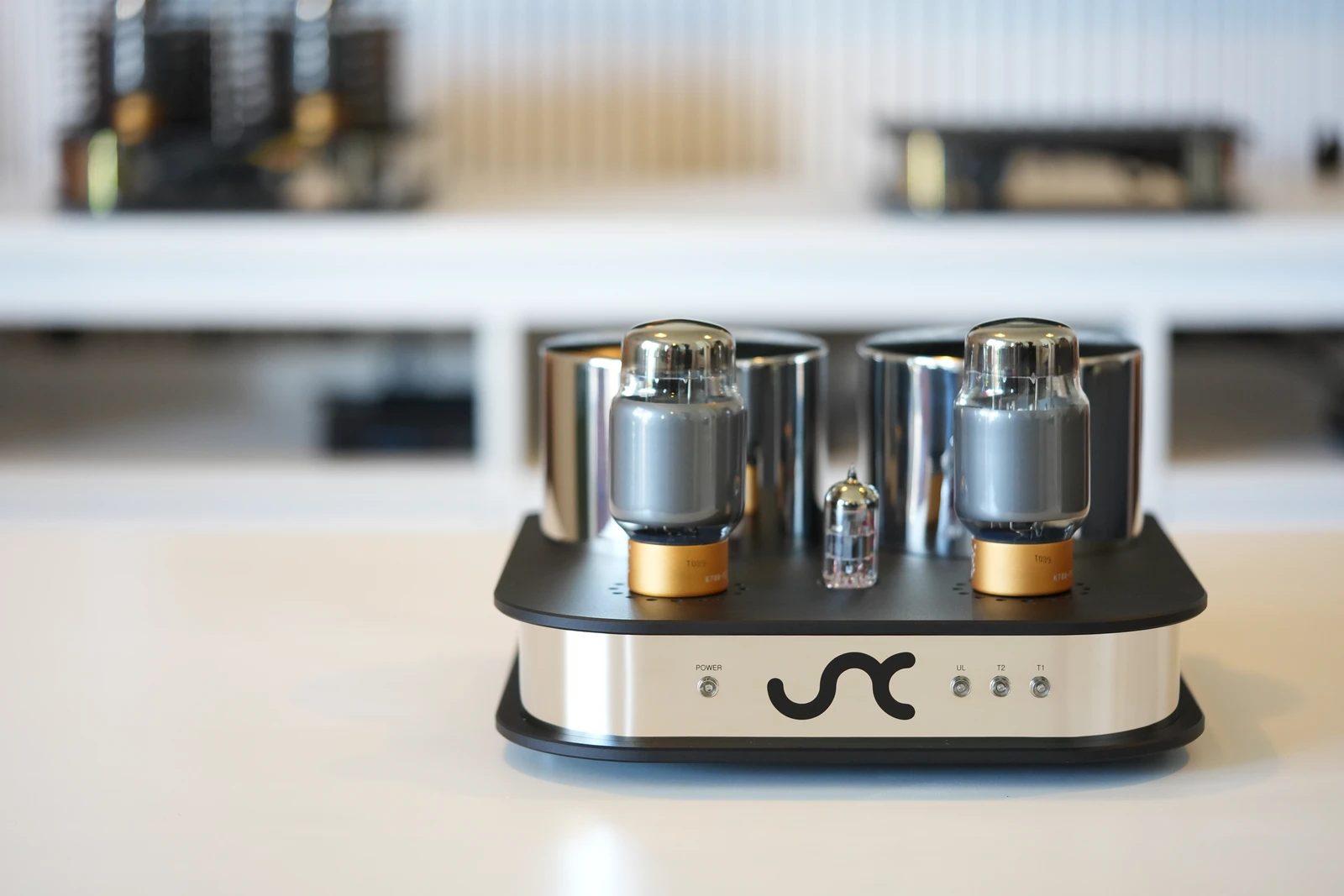
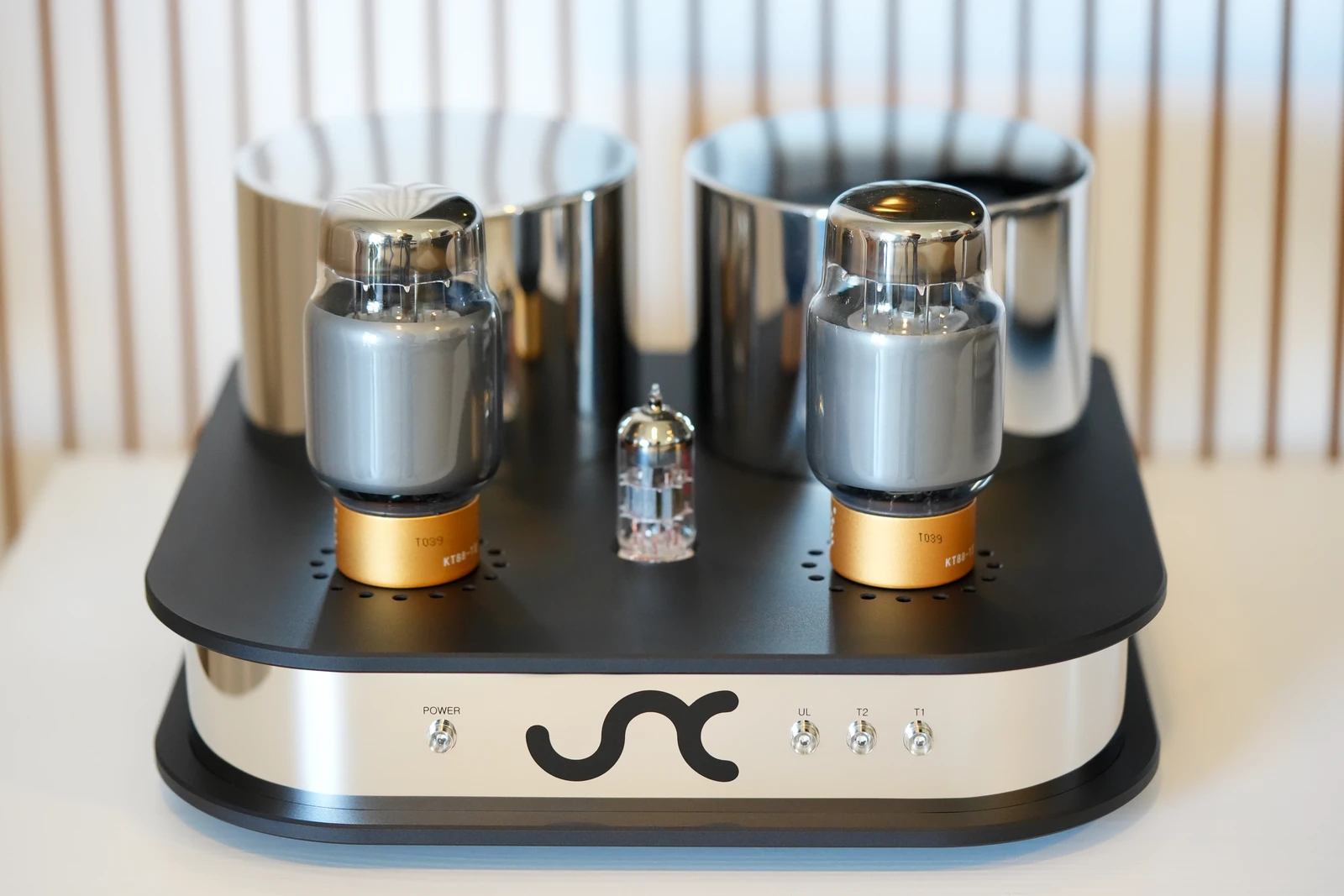
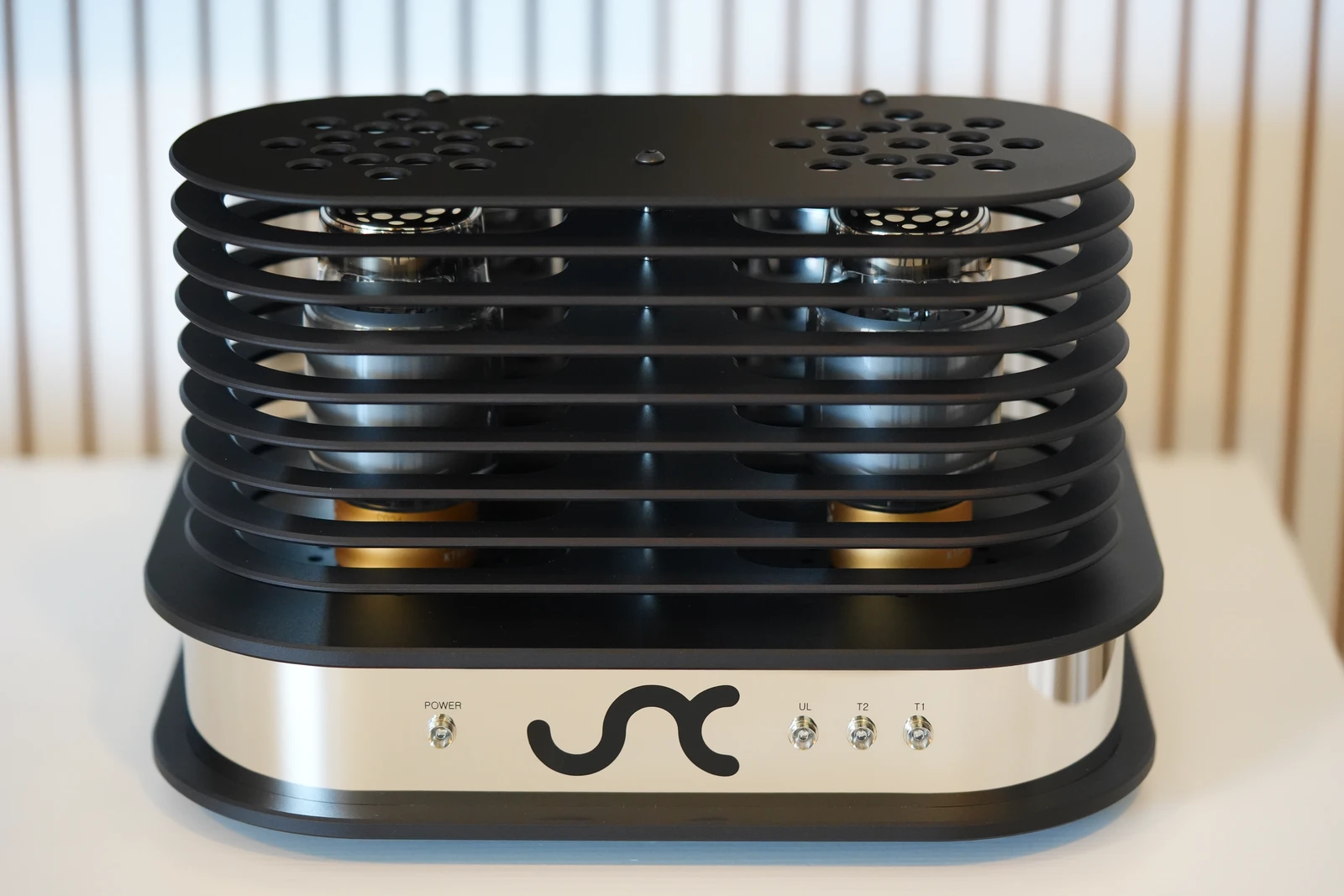
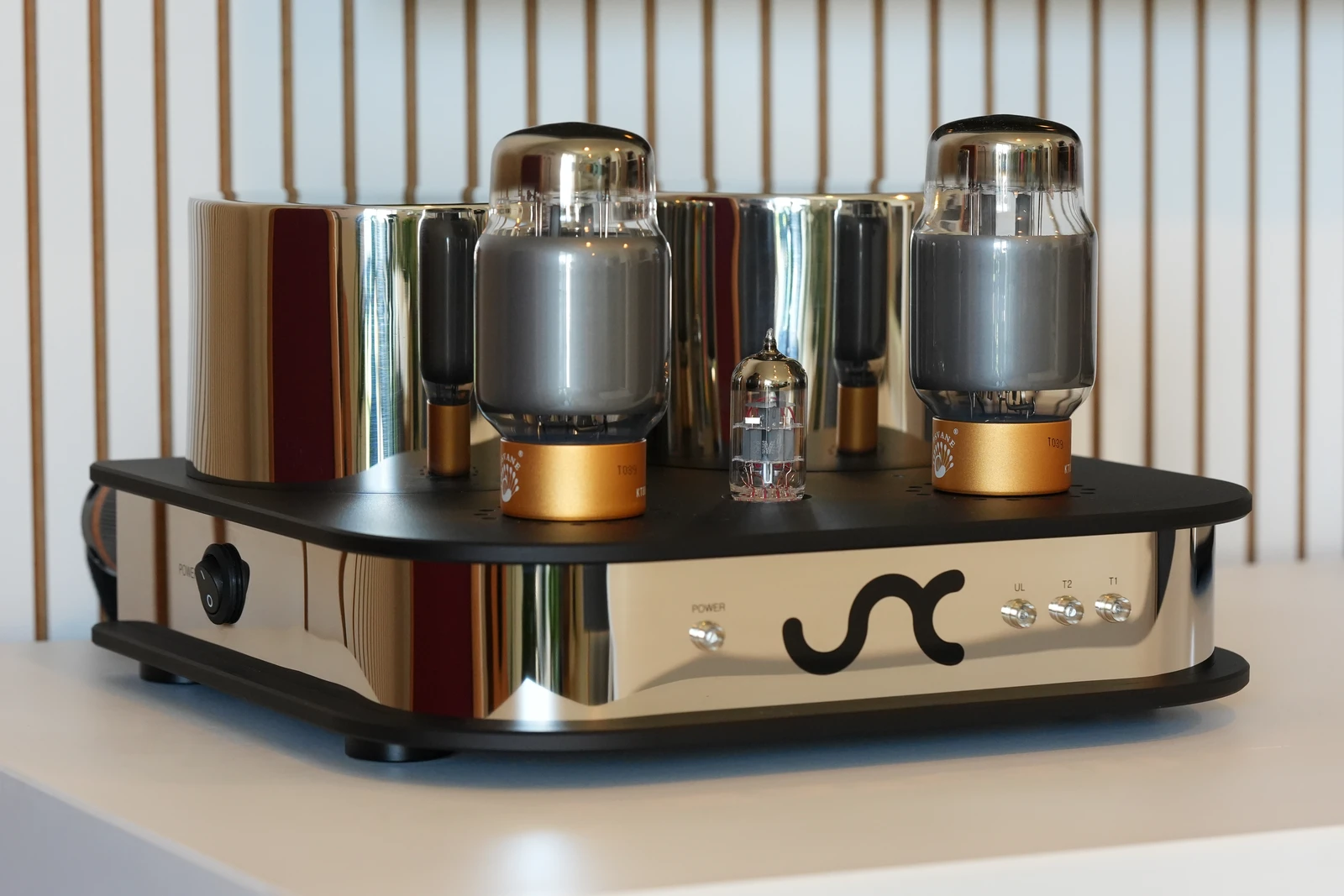
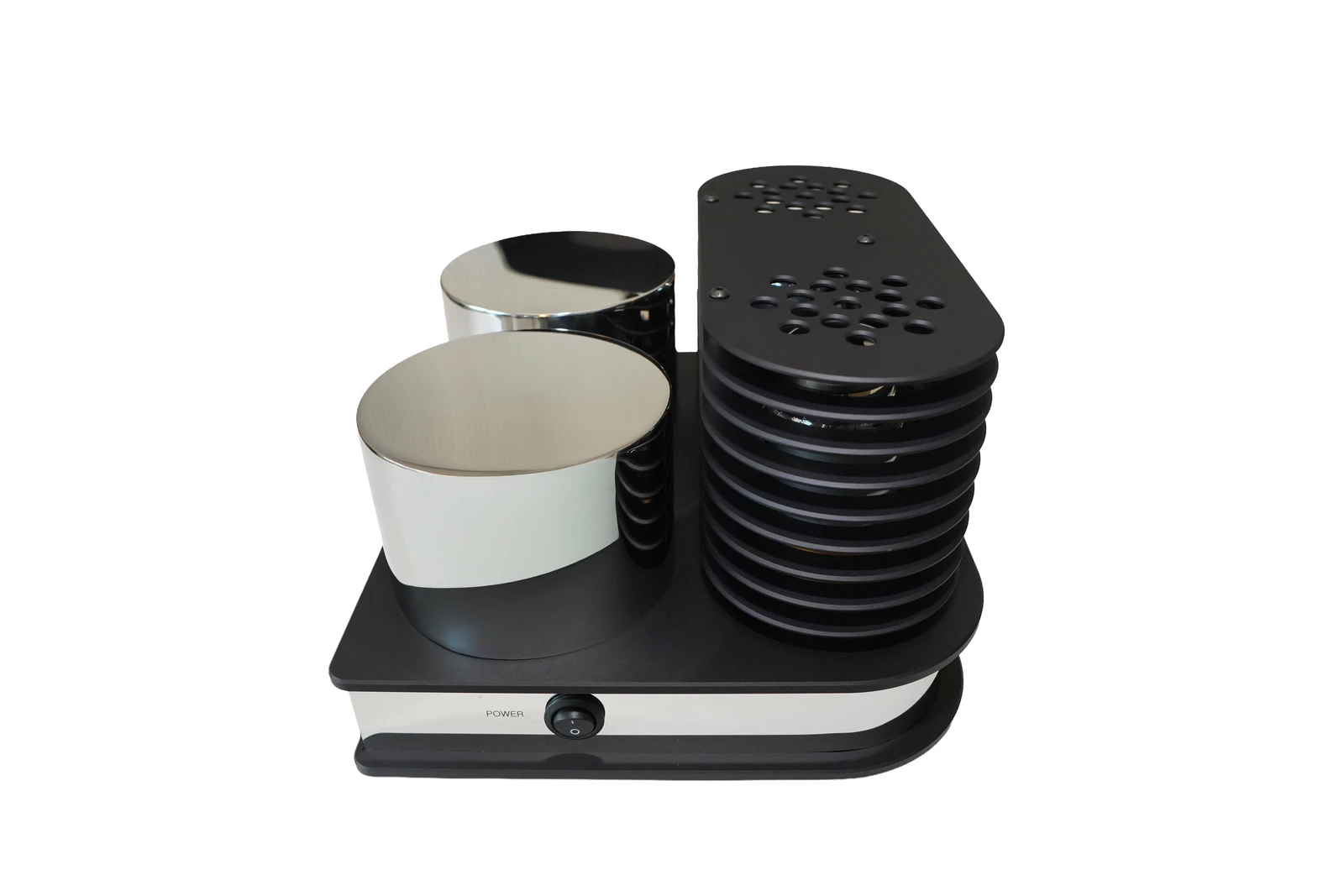
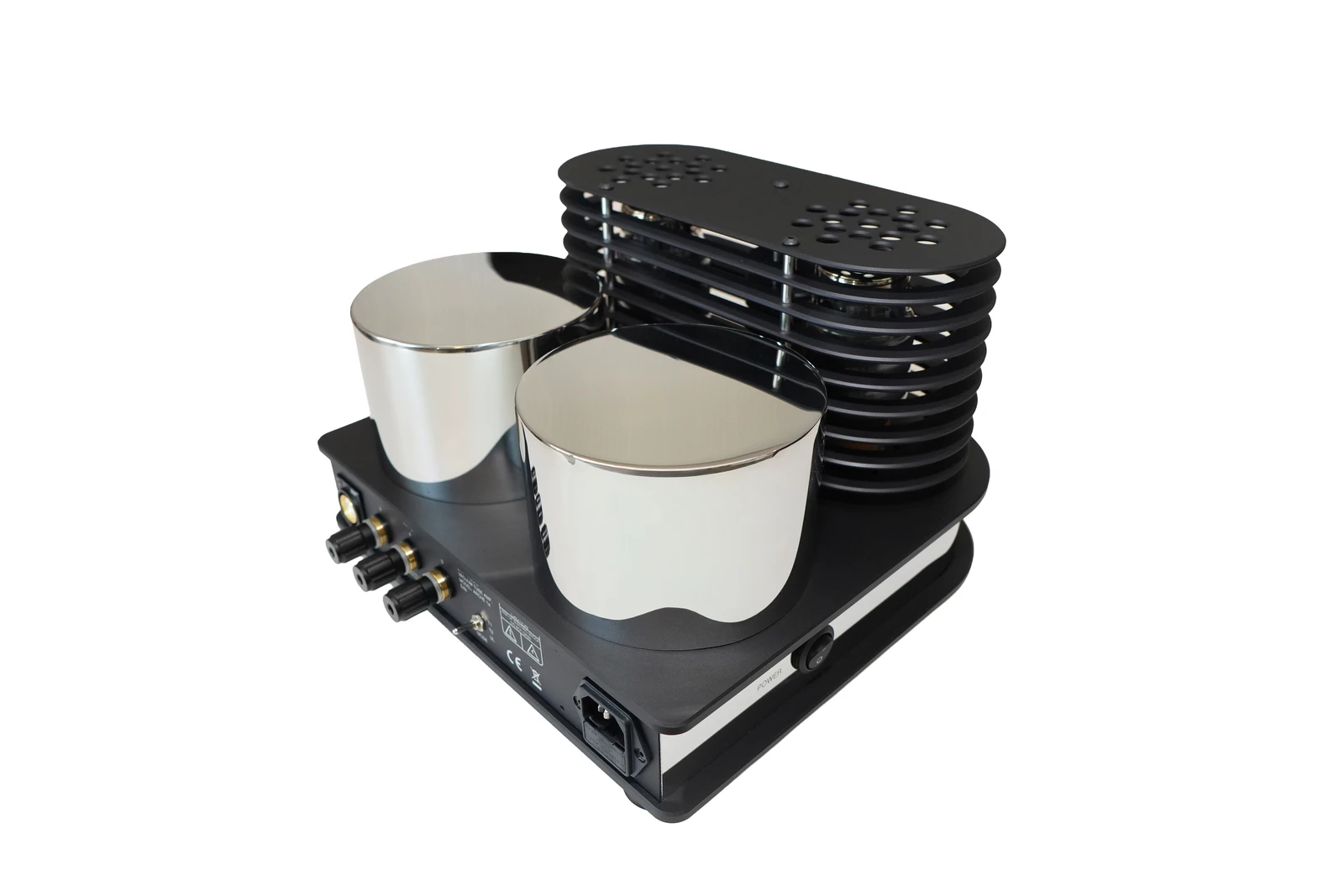
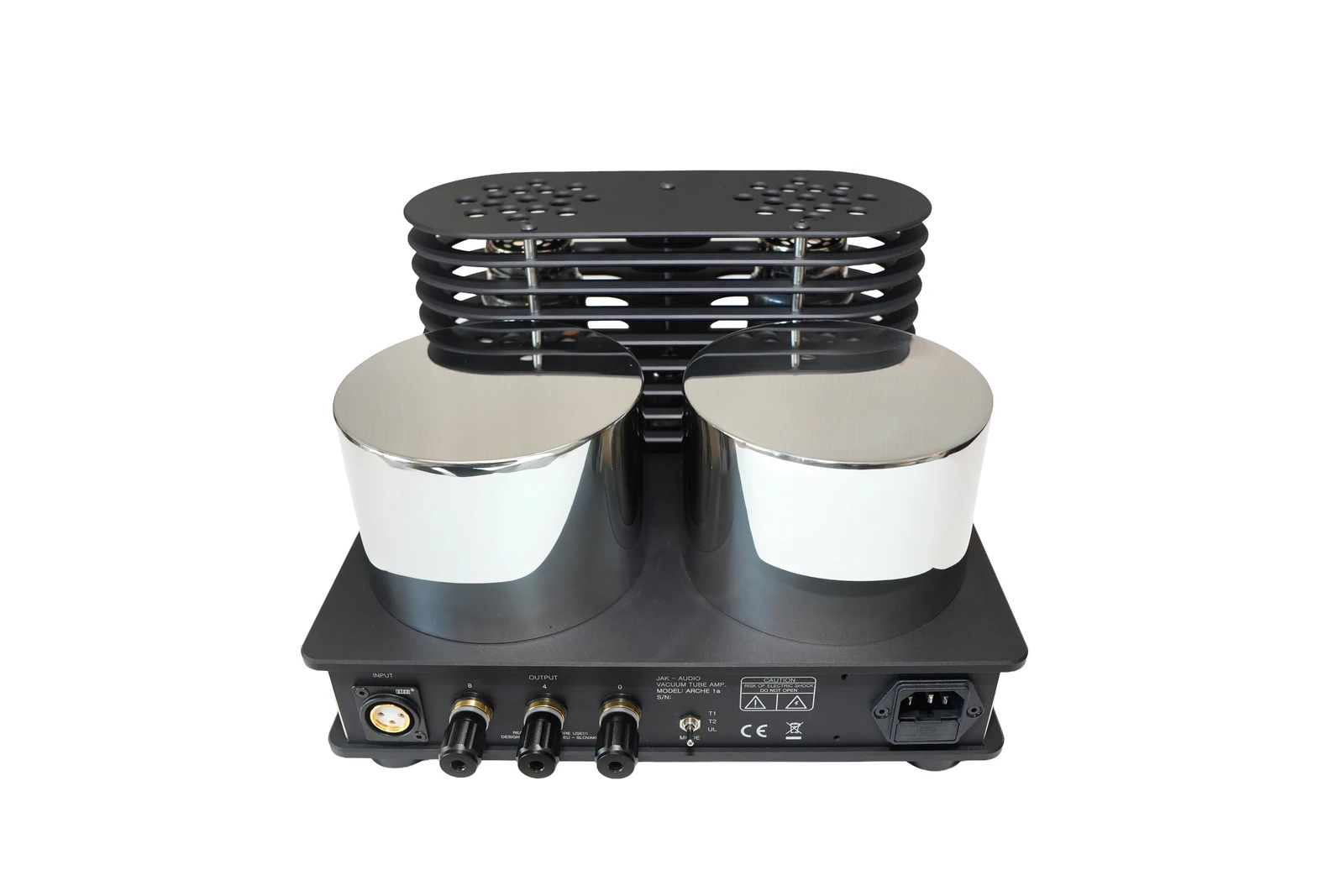
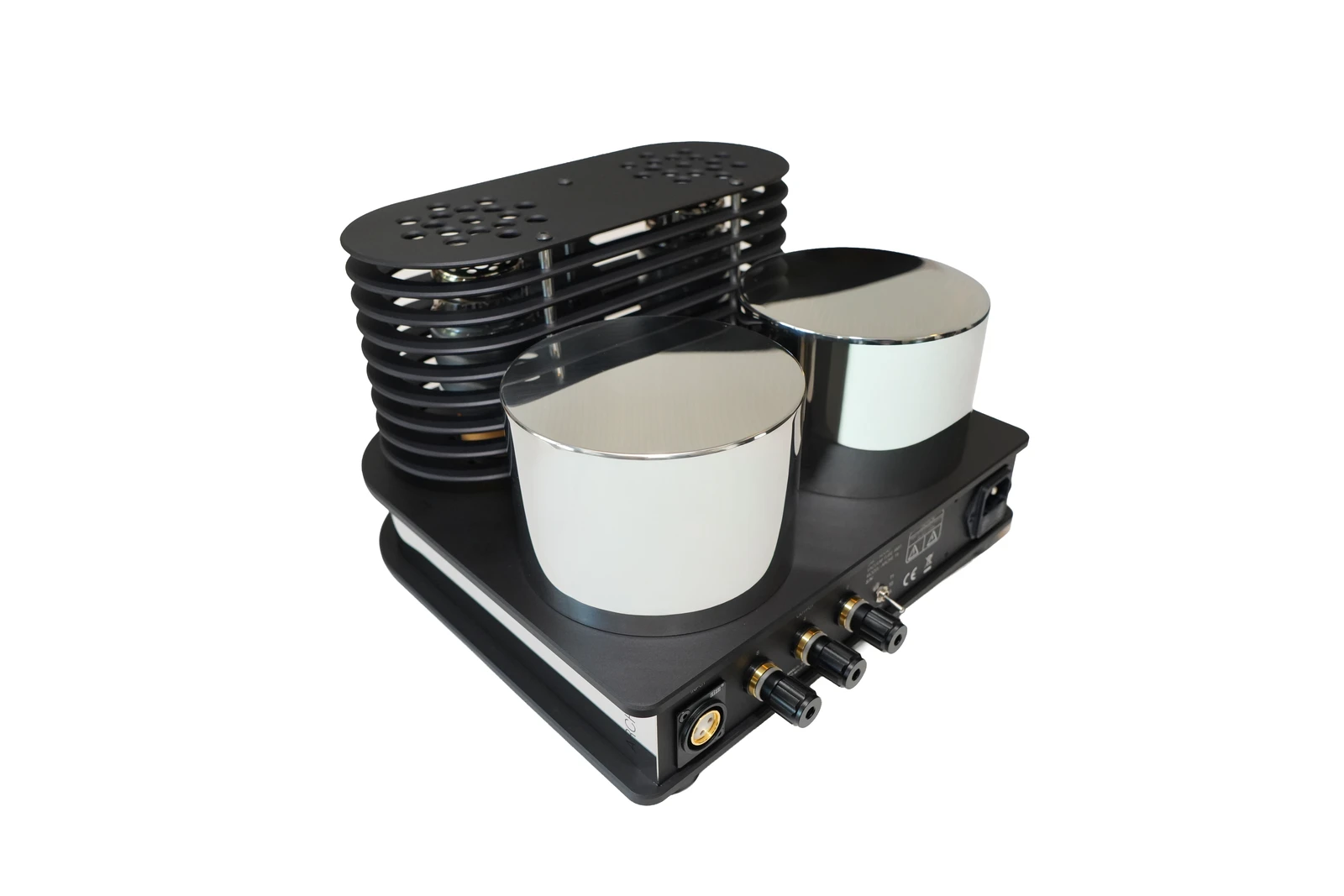
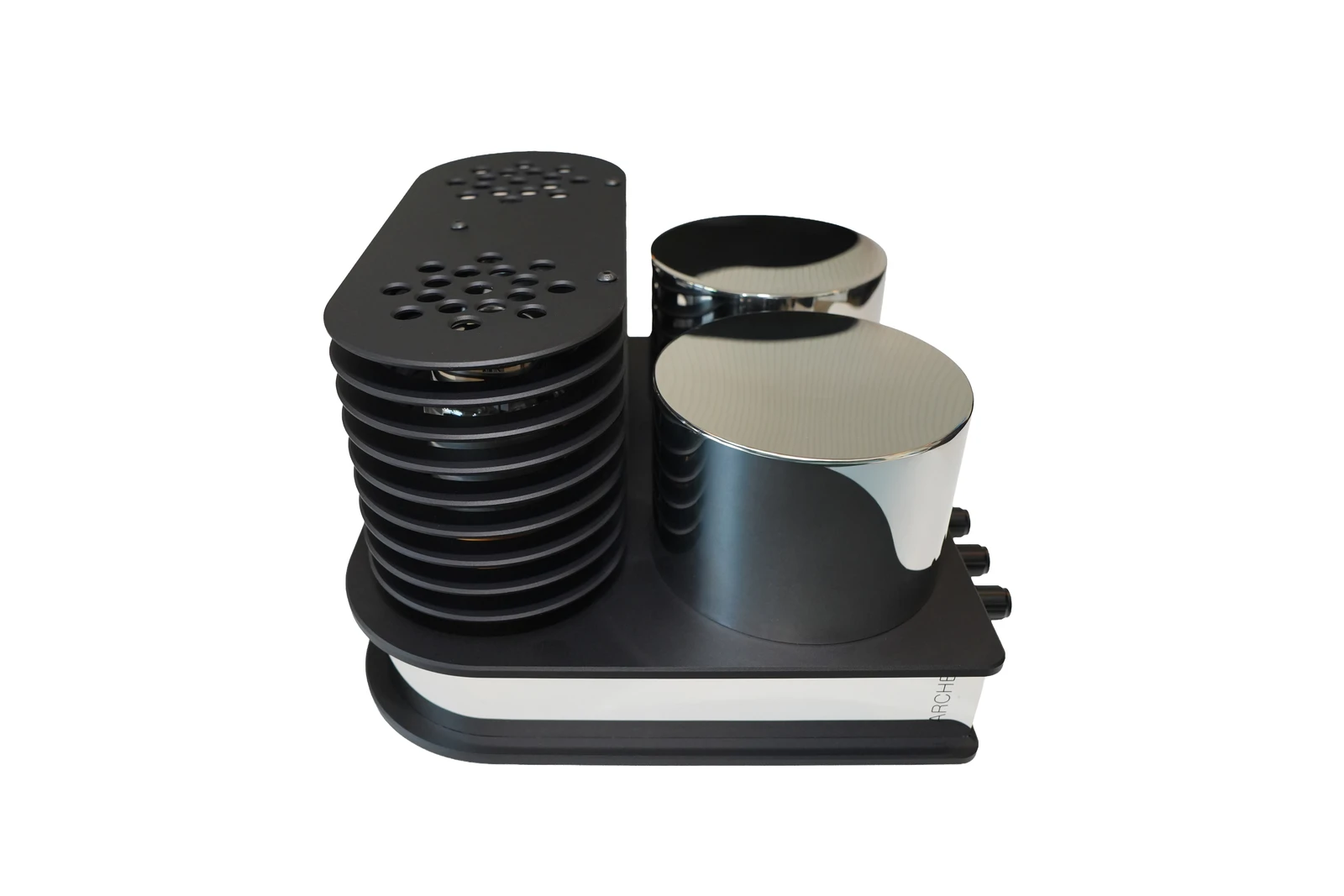
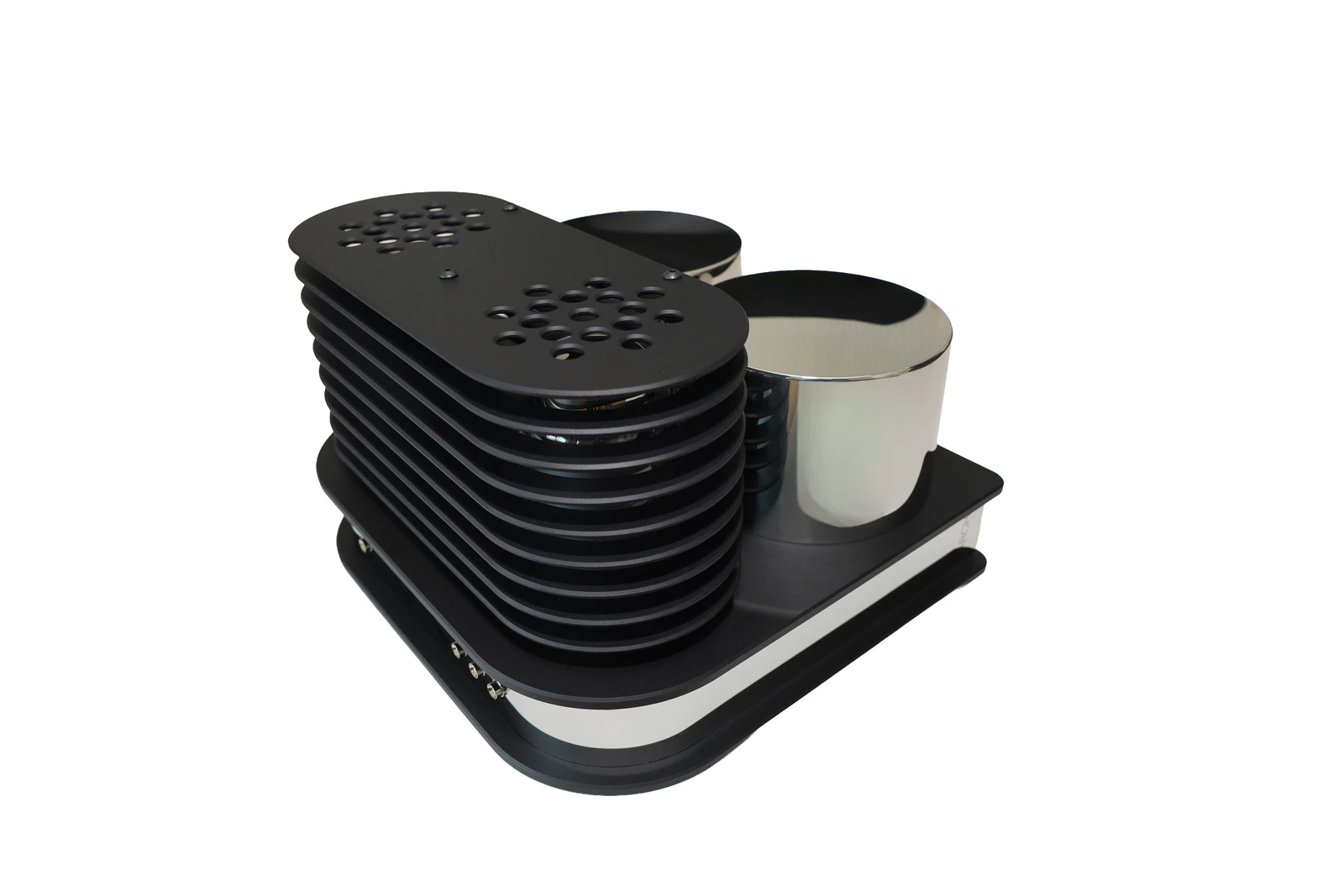
Vacuum tube power amplifier - monoblock
To order, write to us by e-mail: info@jak-audio.com
Introductory price (one piece) incl. VAT: 8,299€ 6,299€
Description
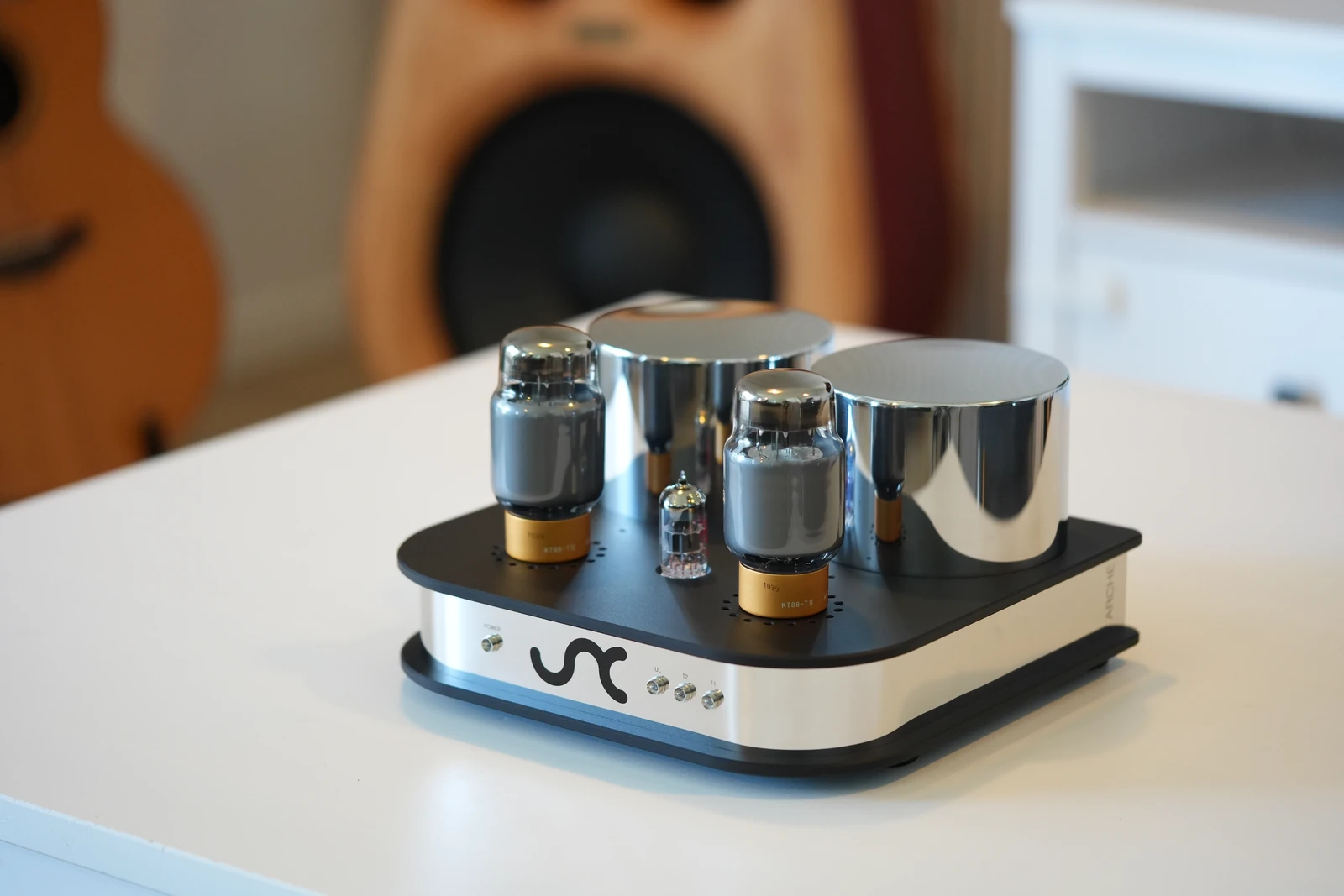
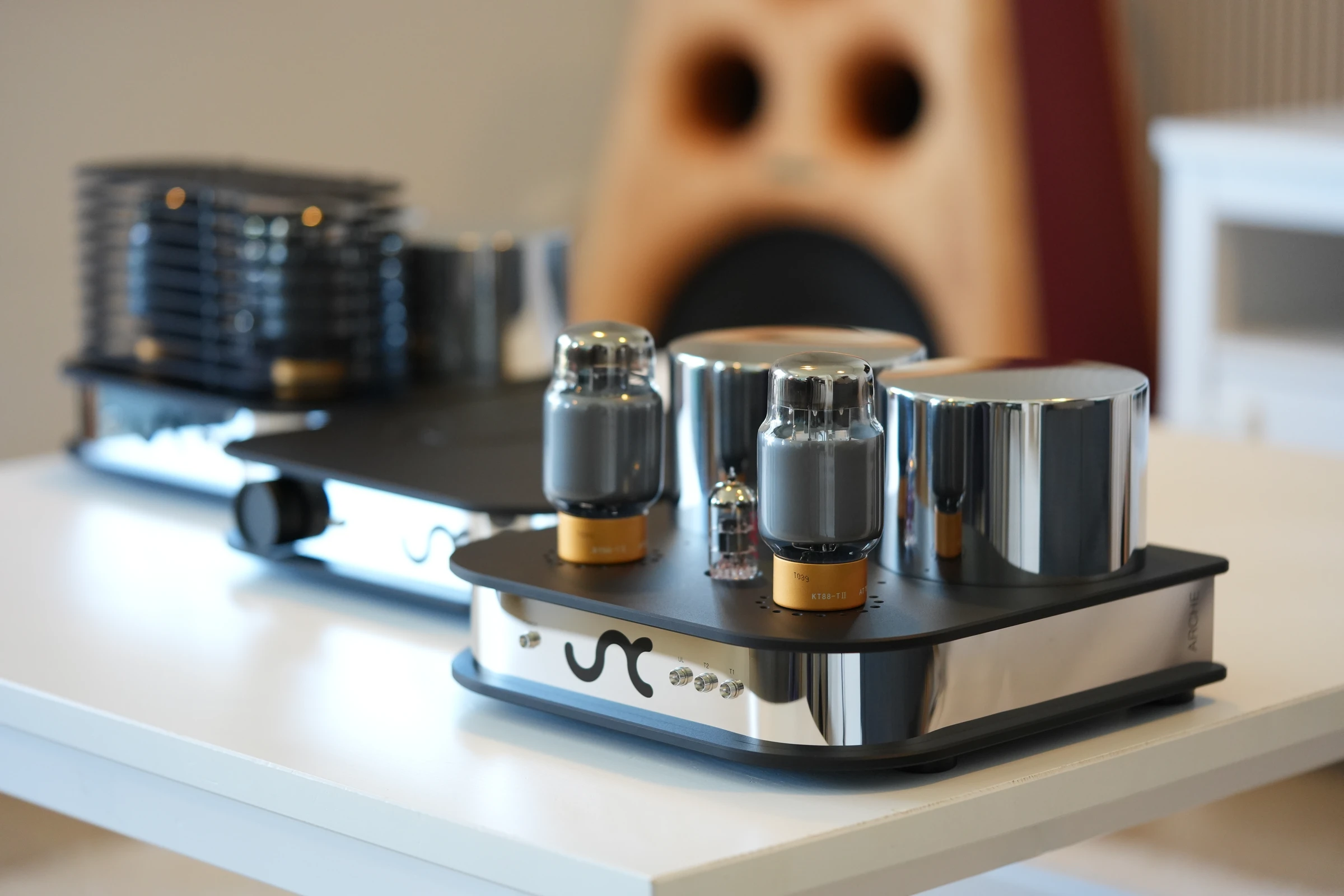
Arche 1a is a vacuum tube power amplifier – monoblock. A fully balanced push-pull architecture is used, from the input connector, through the driver and power tubes, all the way to the output transformer.
The power tubes operate in Class A. This means that their operating point is shifted to an area with higher anode current compared to Class AB. This brings a significant reduction in “crossover” distortion and a more dynamic, detailed and pleasant sound presentation.
The operating point of the power tubes and their balancing are controlled automatically. No adjustment is required when replacing them. Gradual aging of the tubes is also not a problem, since the operating point is always automatically fine-tuned.
Arche 1a consists of only two active amplification stages, which supports our philosophy: “less is more in many cases”. The fewer components through which the audio signal passes, the more transparency and purity in the resulting presentation.
Between the driver and the power tubes, high-quality capacitors from Mundorf with the addition of gold and silver are used, and they are also impregnated with oil. The final sound presentation is significantly influenced by the capacitors in this position, which is why we took great care in their selection.
In critical positions, we use Amtrans AMRG resistors and Vishay metal film resistors.
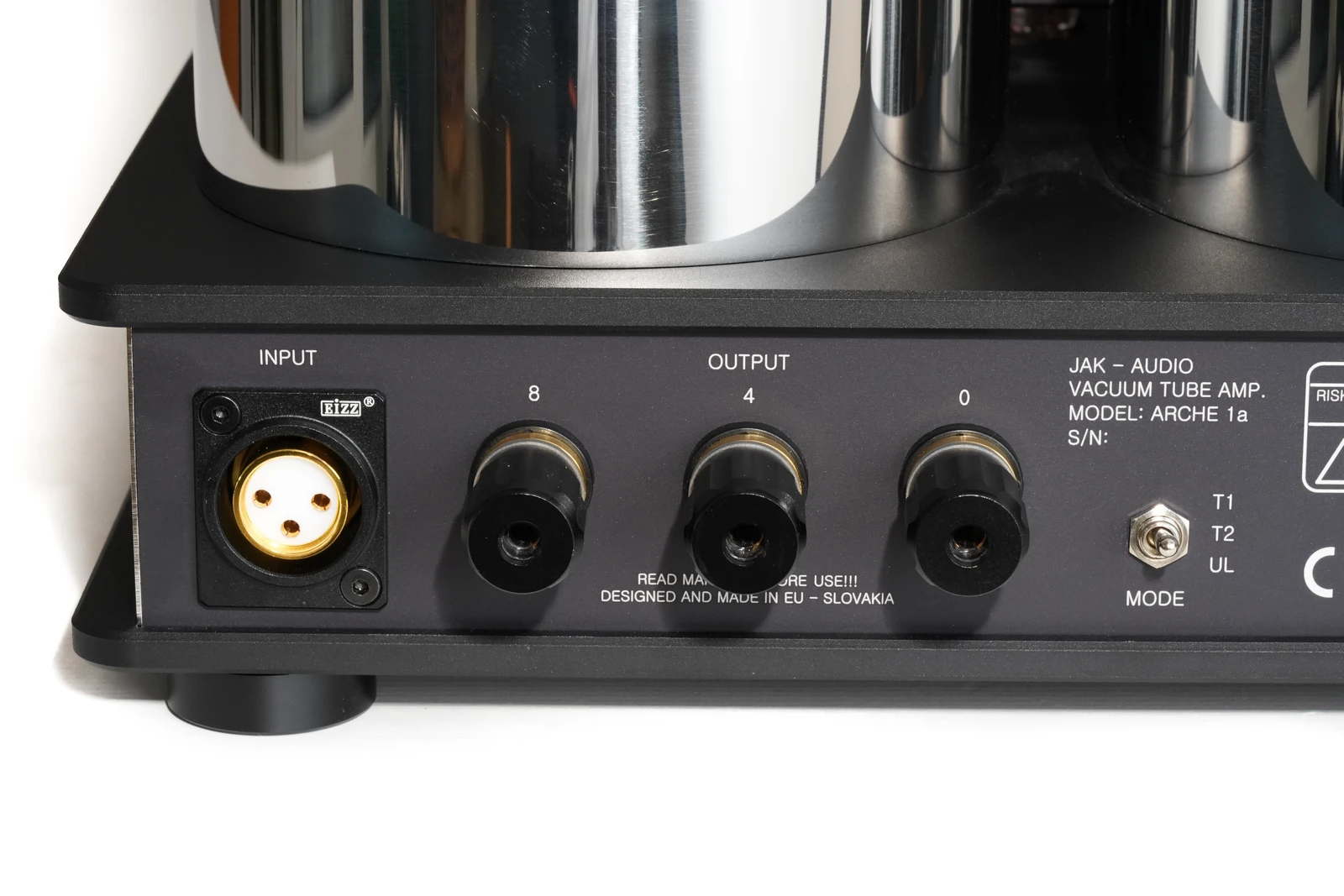
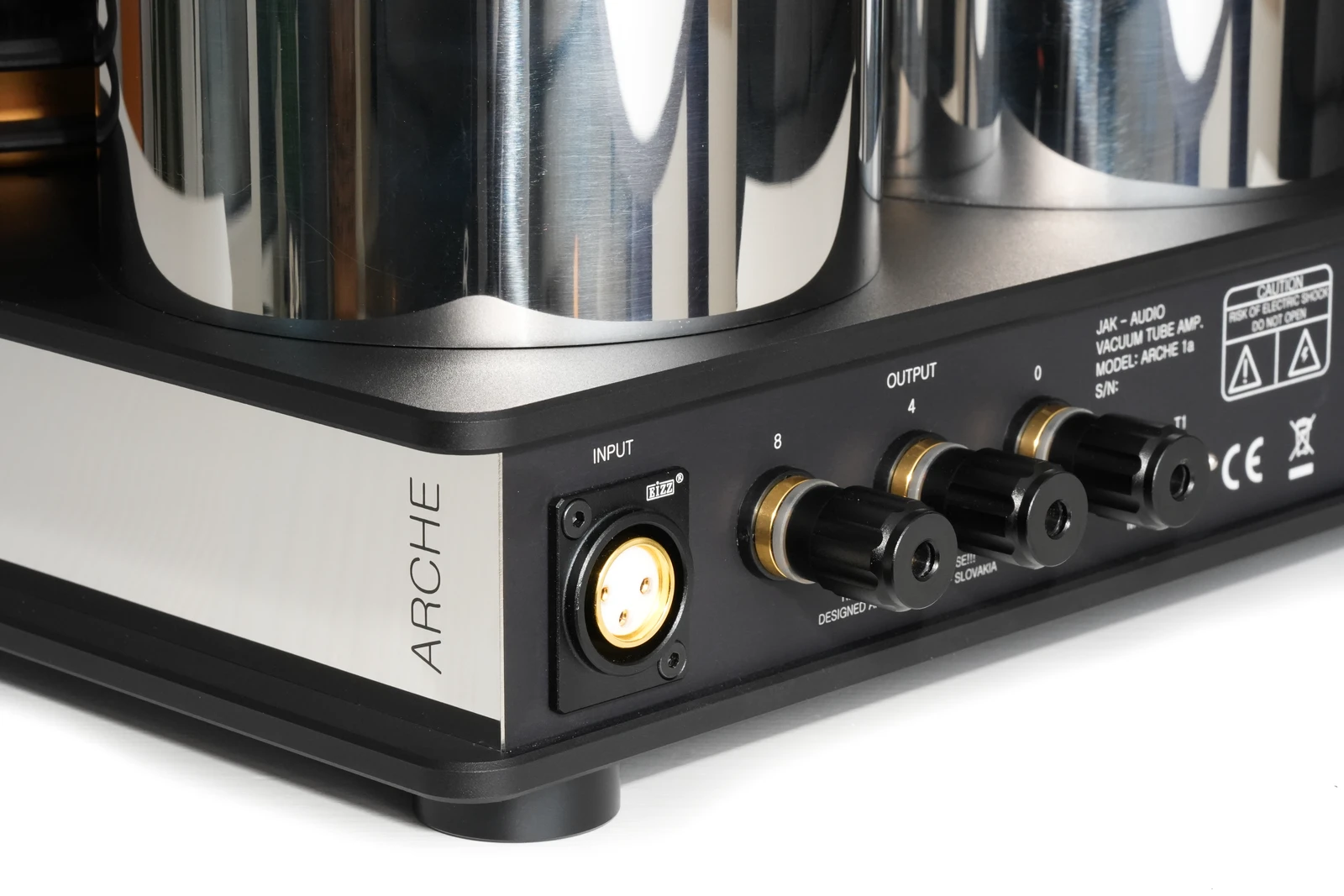
The signal path uses conductors made of oxygen-free copper in combination with gold and silver. At the input and output of the amplifier, there are connectors made of pure gold-plated copper and bronze.
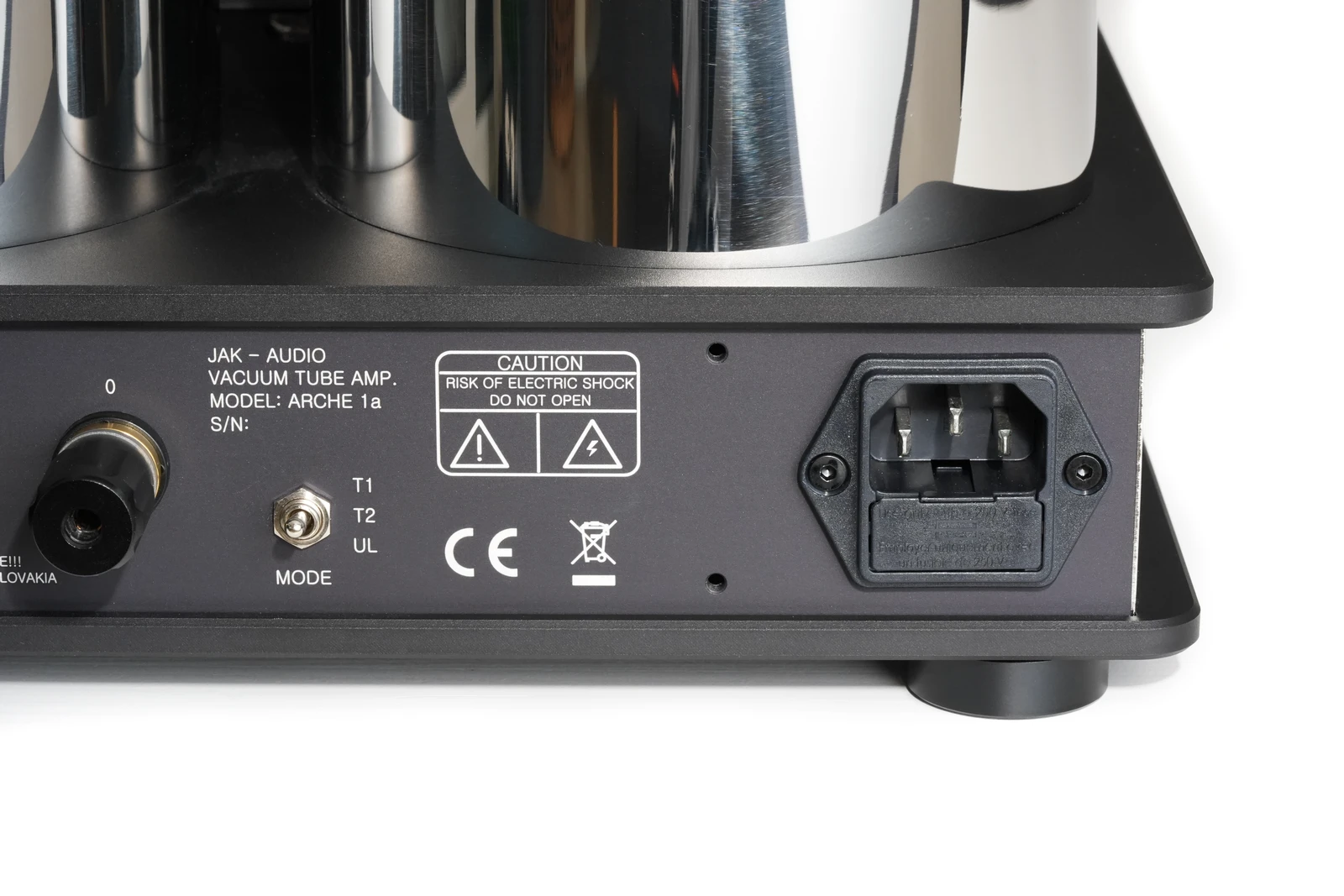
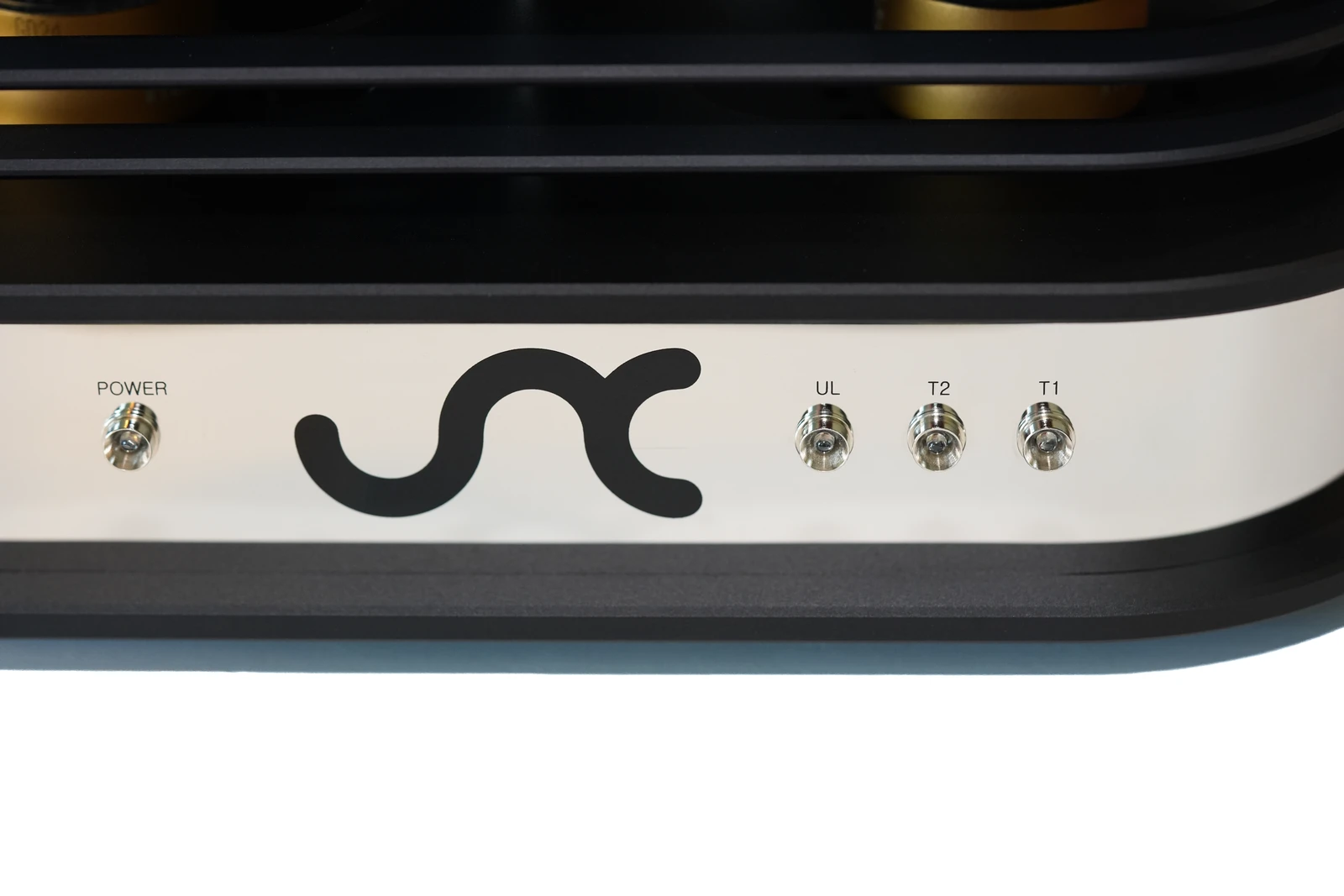
A great advantage of our power stage is the possibility of switching between three operating modes, which affect the interaction between the amplifier and the speakers, thus changing the character of the musical presentation. Thanks to this, Arche 1a becomes a universal amplifier that will probably work well with a wide range of speakers. The right mode will of course depend mainly on your taste. Specifically, there is an ultralinear mode, a triode mode without feedback, and a triode mode with feedback.
Regarding feedback, it is active in the ultralinear mode and in one of the triode modes. Specifically, it is a sonically popular local cathode feedback, which uses separate output transformer windings that feed the musical signal back to the cathode circuits of the power tubes. Moreover, this feedback is minimal. No global feedback is used in the amplifier.
After the power tubes, there is a toroidal output transformer with the aforementioned cathode feedback. Its main benefits include wide bandwidth and low harmonic and intermodulation distortion. As for the advantages in the acoustic area, we can include extremely fast and controlled bass, revealing even the smallest details, and enhanced spatial presentation.
The entire amplifier is powered by an audio-grade toroidal transformer and exclusively linear power supplies. The anode voltage section uses high-quality filter capacitors in conjunction with an audio-grade toroidal choke. At the same time, this voltage is activated only after the tubes have warmed up, which extends their lifespan.
High-purity lead-free audio-grade solder with 5% silver and 2% copper is used to solder the components. This ensures perfect conductivity and durability of electrical connections and even greater transparency and detail in the musical presentation.
Our products are not mass-produced on a production line. Each original piece is assembled component by component by hand. Each electronic component is tested and measured before installation. After assembly, comprehensive functional testing and parameter measurement follow. Finally, each product is tested in our listening room to make sure that everything is as it should be.
Technical information
- Operating modes:
U/L: Ultralinear
T2: Triode with feedback
T1: Triode without feedback - Output power:
U/L: 30 W @ THD < 1 %
T2: 20 W @ THD < 1 %
T1: 20 W @ THD < 3 % / 10 W @ THD < 1 % - Output impedance: 4 and 8 Ohm
- Input sensitivity @ full power:
U/L: 1.8 Vrms / 3.6 Vrms differential
T2: 2 Vrms / 4 Vrms differential
T1: 1.3 Vrms / 2.6 Vrms differential - Recommended loudspeaker sensitivity: ≥ 94 dB/W/m
- Input impedance: 200 kOhm
- Input connector: 1 x XLR
- Number of channels: 1
- Architecture: fully balanced push-pull
- Class: A
- Frequency response @ 1 W:
U/L: 4 Hz to 120 kHz
T2: 4 Hz to 110 kHz
T1: 4 Hz to 110 kHz - Frequency response @ full power:
U/L: 15 Hz to 90 kHz
T2: 12 Hz to 90 kHz
T1: 12 Hz to 80 kHz - Harmonic distortion @ 1 W:
U/L: 0.012 %
T2: 0.04 %
T1: 0.08 % - Noise floor (ref. 1 W), excluding mains hum: -125 dB
- Mains hum components (ref. 1 W): -100 dB
- Damping factor:
U/L: 4
T2: 6
T1: 3.2 - Amount of negative feedback:
U/L: 6.5 dB
T2: 4 dB
T1: 0 dB - Type of negative feedback: local cathode feedback (no feedback is used in T1 mode)
- Heater: AC
- Tube complement: 1 x ECC81 (JJ), 2 x KT88 (JJ)
- Power consumption: 120 W
- Power supply: 230 V / 50 – 60 Hz / 148 VA or as ordered
- Solder: audiograde (5% silver, 2% copper)
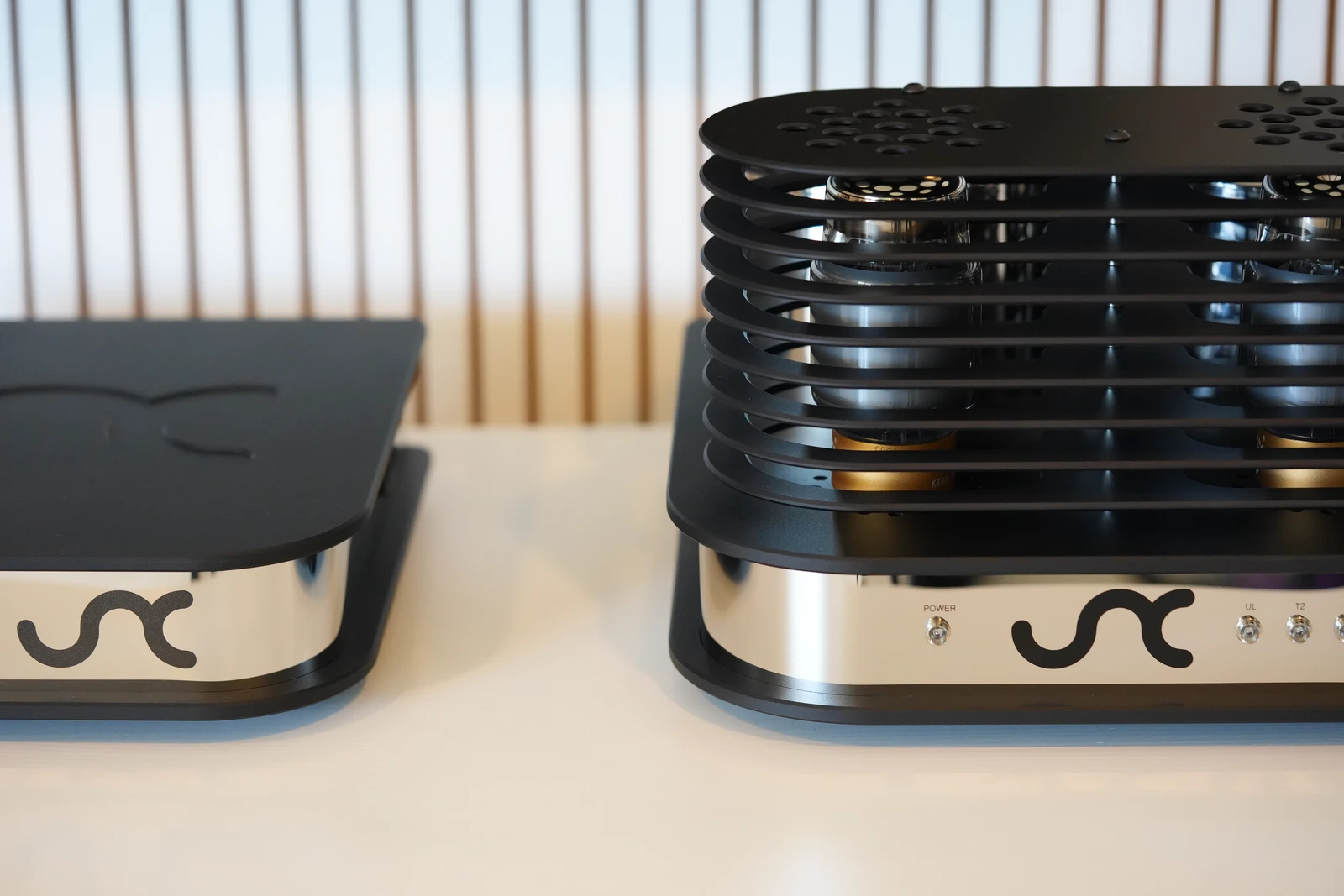
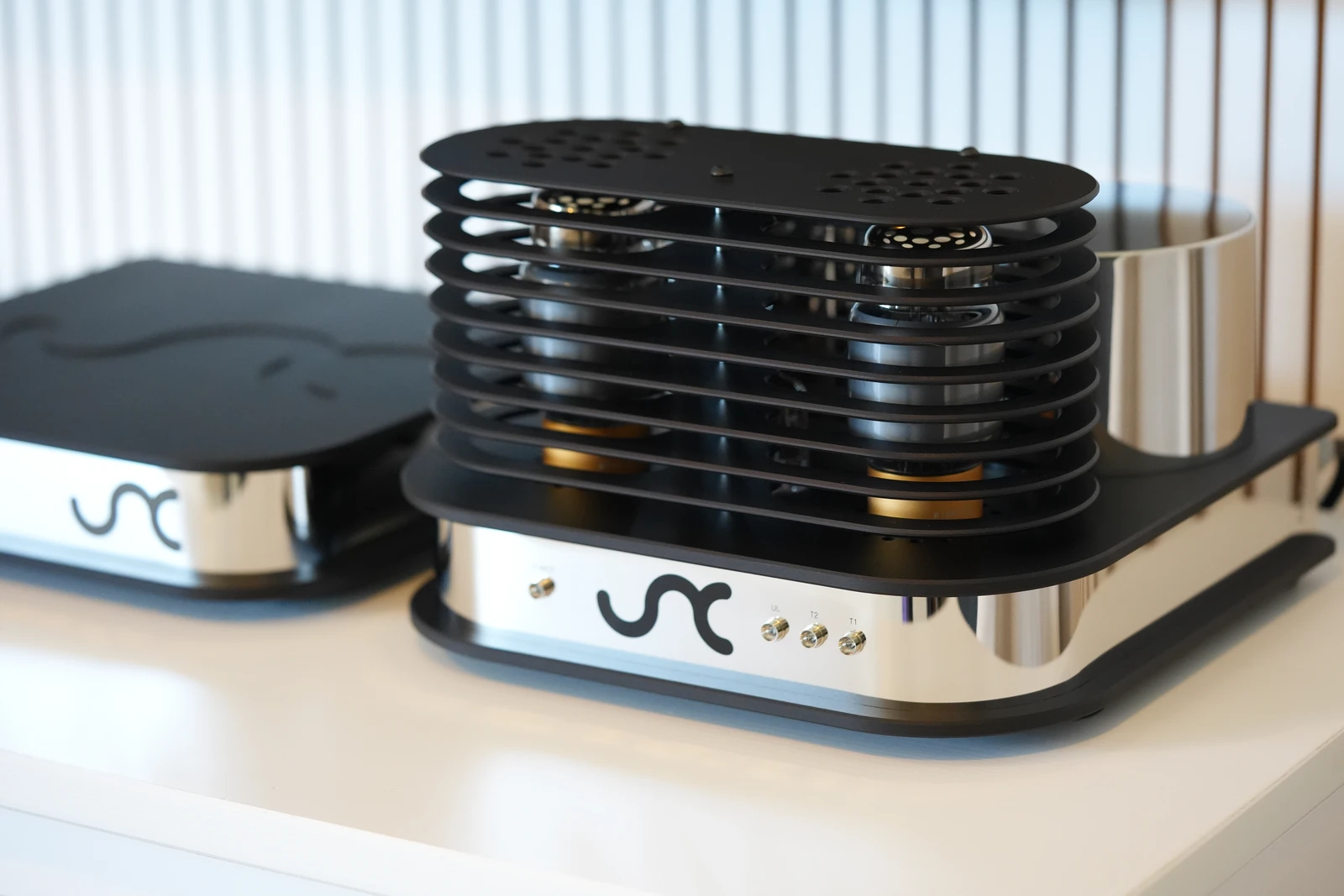
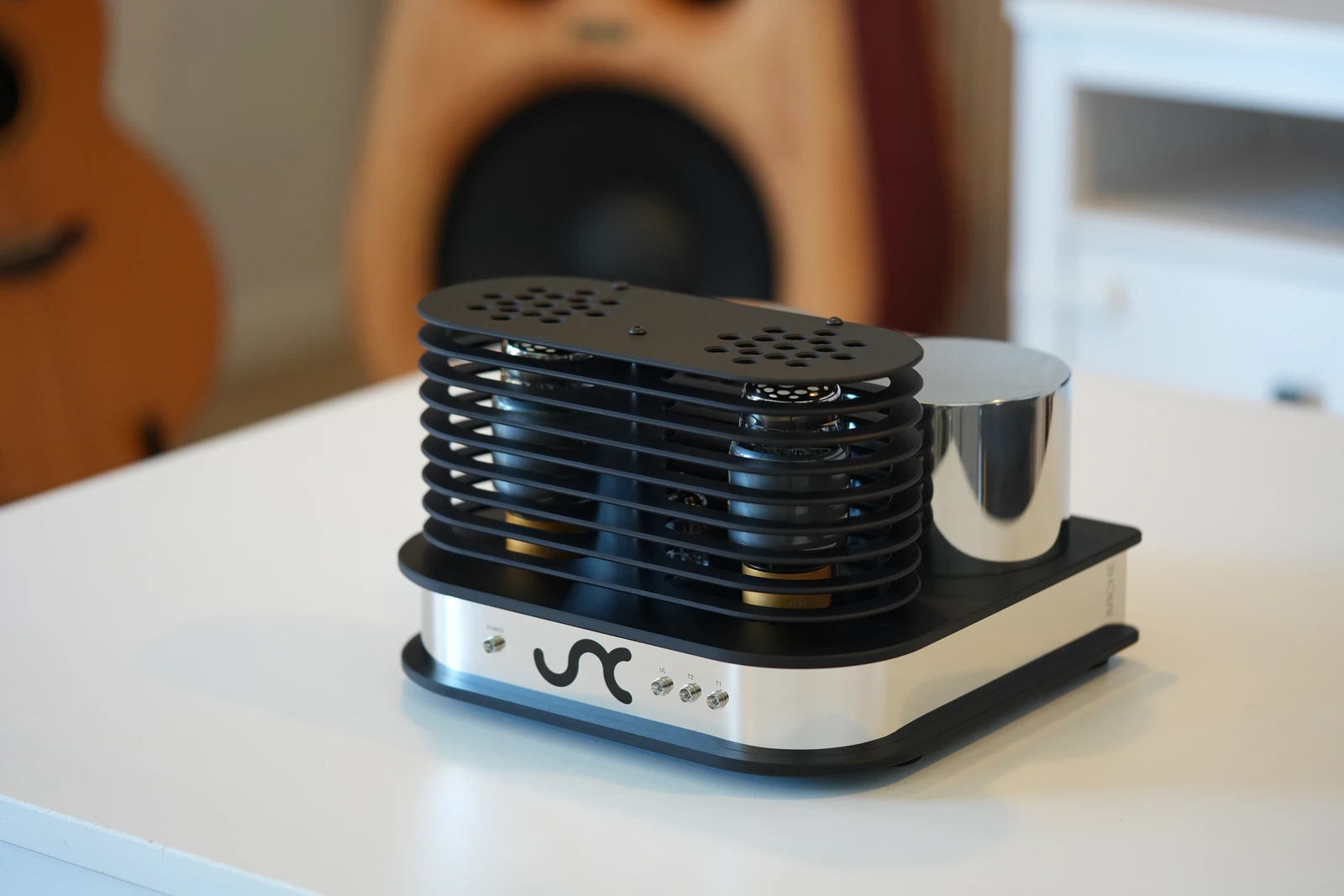
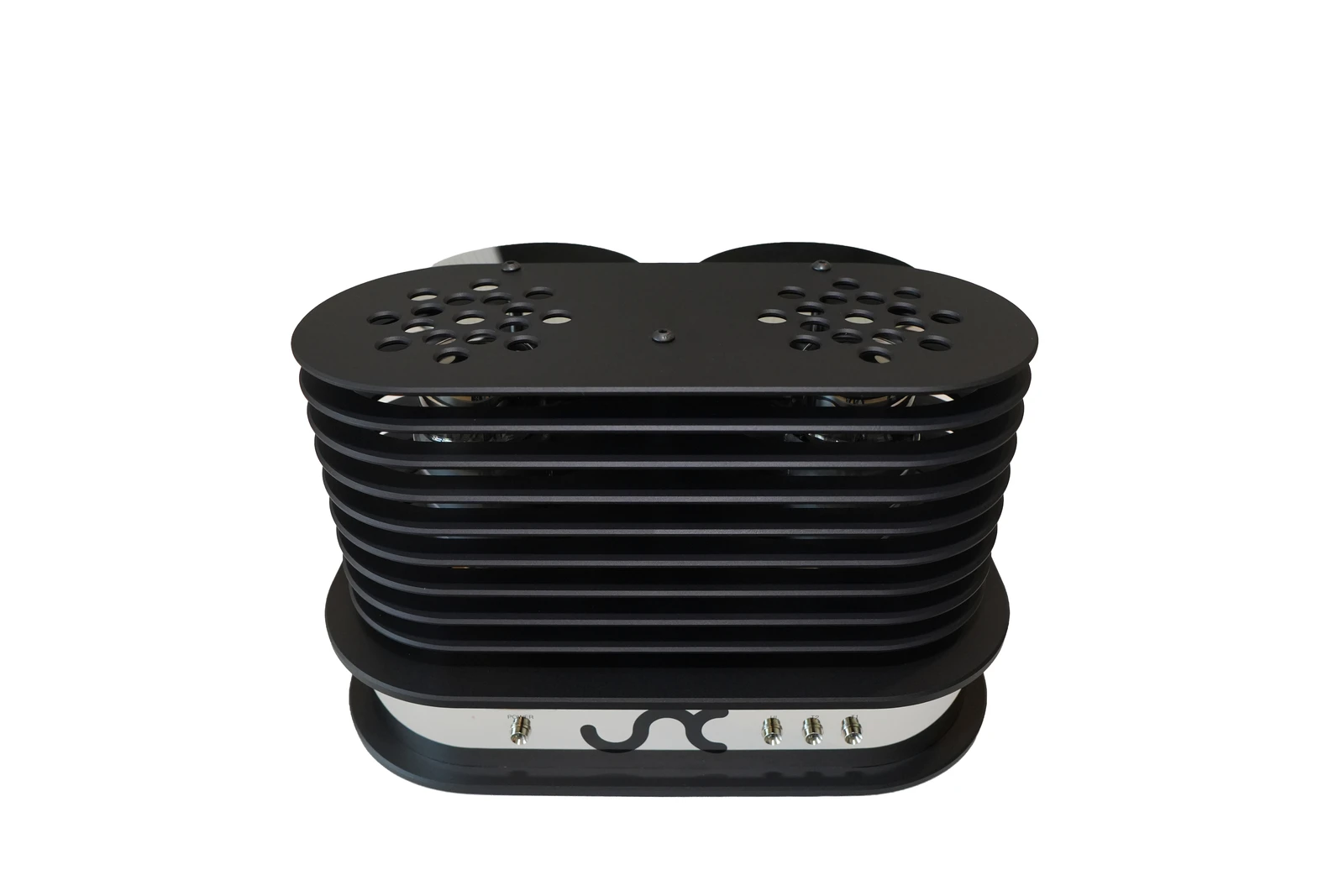
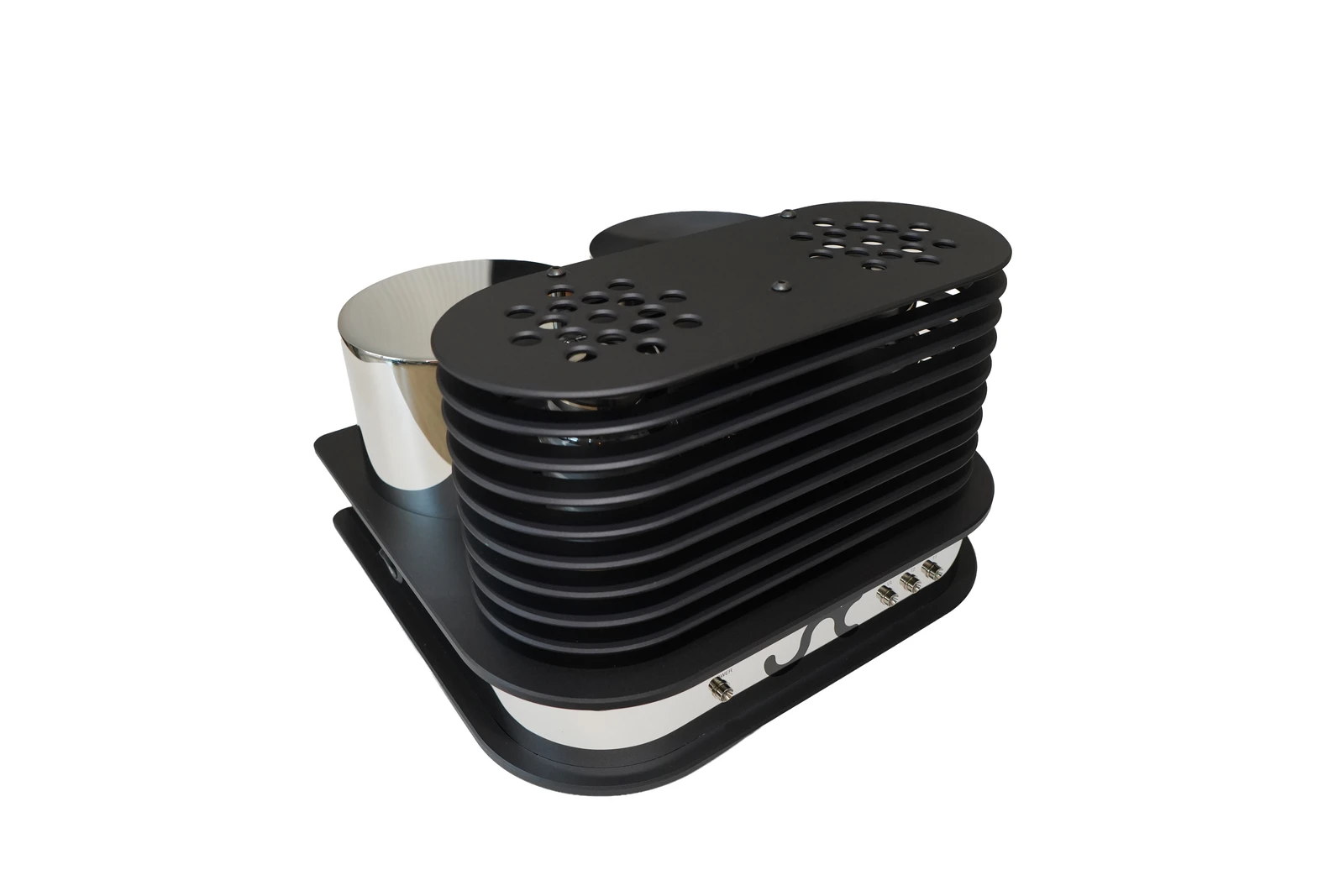
- Enclosure: black sandblasted anodized aluminum and highly polished stainless steel
- Weight: 12 kg
- Dimensions: 278 mm (width) x 258 mm (depth) x 175 mm (height without feet)
- Package contents: 1 x amplifier
Downloads
Reviews
Hi-Fi enthusiast
A few days ago, I had the opportunity to listen to these beautifully built tube monoblocks at home. For anyone who appreciates a natural, organic sound with plenty of detail and a beautiful soundstage, I recommend listening to them if the opportunity arises. Another positive aspect is the option to choose from three operating modes, allowing the character of the sound to be adjusted. At the same time, this is by no means a distortion machine, and no noise is present even with an ear close to the tweeters. As a bonus, the build quality and aesthetic execution are excellent and on a professional level. The sound in ultralinear mode suited my expectations of an amplifier the most. Especially in this mode, it can be compared to a well-executed Class A transistor amplifier. For vocal reproduction, the even smoother presentation in triode mode without feedback is excellent. Triode mode with mild local feedback sits somewhere in between. Overall, the sound is quite neutral, open and detailed, yet still very natural. At least in my setup, the available power was sufficient even for loud listening.